
Therapy with Travis Neace, LCSW
Relational Psychotherapy in Lexington
Therapy focused on patterns, emotion, and lasting change.
If you’ve been feeling stuck—in your relationships, your emotions, or patterns that don’t seem to shift—therapy can offer a different kind of space.
One that is thoughtful, steady, and focused on understanding what’s happening beneath the surface.
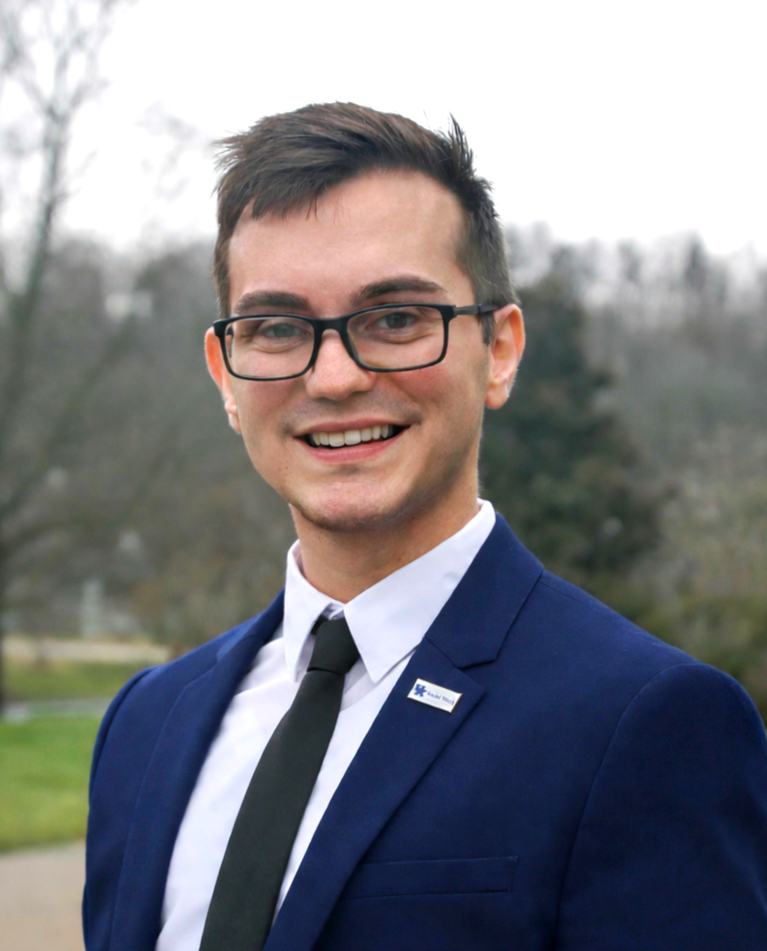
Travis Neace, LCSW Relational, attachment-informed psychotherapy
By appointment only • In Lexington, KY
My Approach
I provide relational, attachment-informed, psychodynamic psychotherapy for individuals and couples.
That means our work focuses not just on symptoms or conflict—but on the patterns and emotional experiences underneath them.
Together, we look at:
How your patterns formed
What they are protecting
How they show up in your relationships today
What needs to shift for something new to happen
Therapy here is collaborative, not something done to you.
It’s a process of understanding, experiencing, and gradually changing how you relate—to yourself and to others.
What Therapy Feels Like
Sessions are conversational, grounded, and paced to support reflection rather than urgency.
This is a space where you can:
Slow down and think more clearly
Explore emotions without being rushed or minimized
Understand yourself in a deeper, more connected way
Over time, this work helps create:
Greater emotional clarity
More stable relationships
A stronger sense of self
How This Shows Up
For couples, this might look like:
Pursue / withdraw cycles
Criticism and defensiveness
Emotional distance or shutdown
Over time, both partners can feel alone, misunderstood, or unsure how to repair.
For individuals, this may show up as:
Anxiety or emotional overwhelm
Disconnection or numbness
Self-doubt or harsh self-criticism
Repeating relationship patterns that don’t change
In therapy, we work to understand these patterns—not just manage them.
Why I Do This Work
I’ve long been drawn to understanding how people relate, how connection forms, how it breaks down, and how it can be repaired (or avoided).
That early curiosity developed into a professional focus on relational and depth-oriented psychotherapy.
What continues to stand out in this work is that people aren’t “broken.”
They are responding in ways that make sense given their experiences, needs, and what they’re trying to protect.
I’m drawn to helping people understand those patterns with clarity and compassion—so real change becomes possible.
Credentials
Licensed Clinical Social Worker, Kentucky
Master of Social Work – University of Denver
Bachelor of Social Work – University of Kentucky
Instructor in graduate-level social work ethics (part-time)
Advanced Relational Trainings From:
The International Centre for Excellence in Emotionally Focused Therapy
The International Psychotherapy Institute
The Gottman Institute
Ongoing consultation and continuing education
Get Started
Finding the right therapist matters. A consultation is a simple way to see if this feels like a good fit.